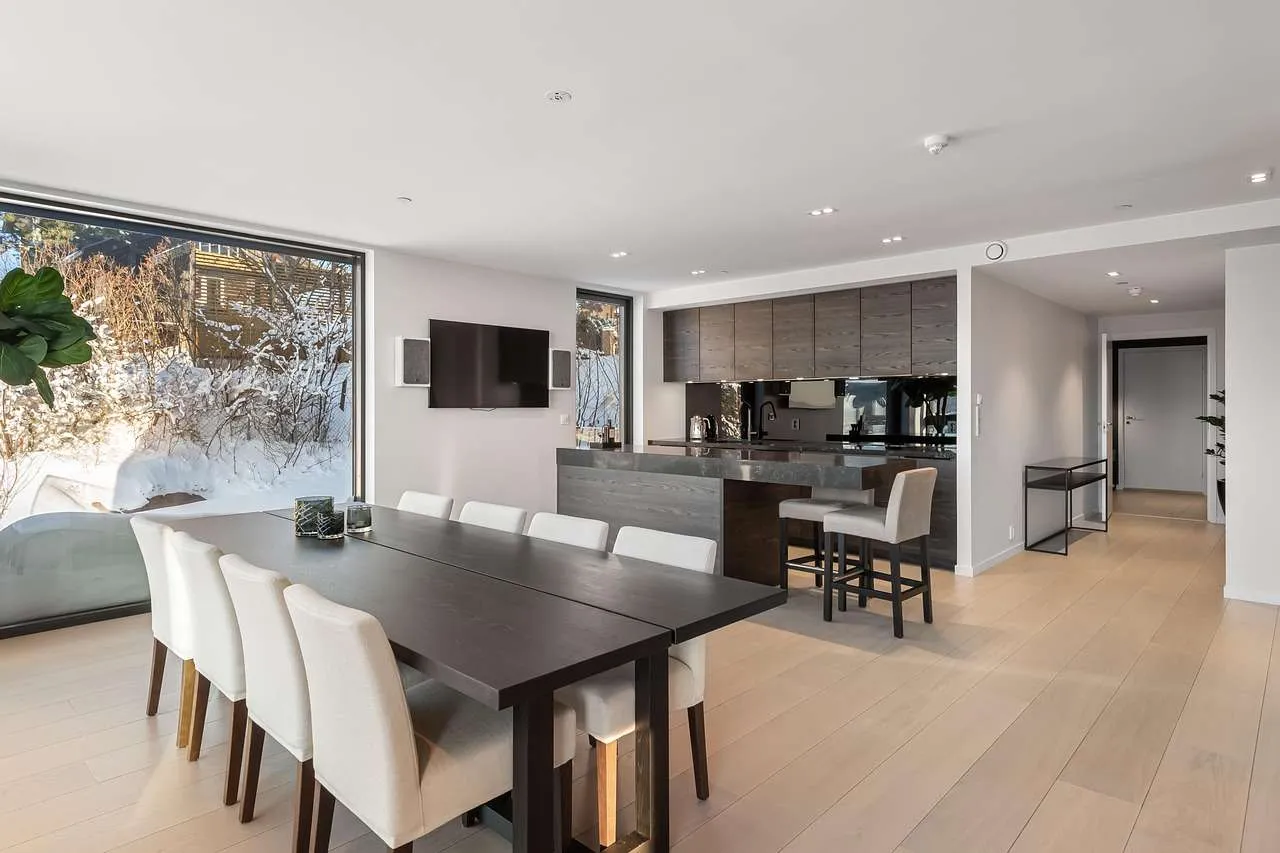
If you’re searching for home window tinting near me, you want more than a shade. You want an experienced professional who can assess your home, climate, and local codes. A local installer with a solid track record can deliver energy savings, improved comfort, and long-term durability.
What home window tinting near me means for you
When you look for a local tinting service, you’re seeking guidance from people who understand your region’s sun exposure and weather patterns. A reputable nearby company provides licensing where required, clear warranties, and transparent pricing. This aligns with EEAT—Experience, Expertise, Authority, and Trust—key factors Google uses to assess trustworthy content and services.
Benefits of home window tinting
Energy efficiency and cost savings
Window films reject a substantial portion of solar heat, reducing cooling loads in hot seasons. In many climates, the resulting lower energy use translates to noticeable savings on monthly bills and steadier indoor temperatures.
Comfort, glare reduction, and privacy
Tinted windows lessen glare from harsh sun, creating a more comfortable living space. They also offer daytime privacy without sacrificing natural light, a common request for homes facing busy streets or sidewalks.
UV protection and interior preservation
Quality films block most ultraviolet rays, protecting furnishings, flooring, and artwork from fading. UV protection helps preserve the interior look of your home for years to come.
Choosing the right tint for your home
Selecting the best tint involves balancing light, heat rejection, durability, and budget. Consider climate, window orientation, and the amount of visible light you want to retain. A reputable installer will tailor recommendations to your goals and provide samples for comparison.
- Consider the level of light you want indoors. Higher VLT means more natural light but slightly less privacy.
- Evaluate heat rejection versus glare control. Ceramic and carbon films typically excel in both areas.
- Factor in warranties and maintenance requirements. A trusted installer will explain film warranties and service options.
Popular tint options
Most homes use four common types of window film. Each offers a different balance of heat rejection, glare control, and cost.
Dyed window film
Low cost and good color stability. Pros: affordable, enhances appearance. Cons: can fade over time and offers moderate heat rejection.
Metalized window film
Excellent heat rejection and durability. Pros: strong glare reduction; cons: may interfere with electronics or create reflections under certain lighting.
Ceramic window film
Top-tier performance with high heat rejection and UV protection. Pros: excellent durability and minimal signal interference. Cons: higher upfront cost.
Carbon window film
Good heat rejection and a natural look. Pros: stable color, strong UV protection. Cons: mid-range cost compared with dyed films.
Tint options at a glance
| Tint Type | UV Rejection | Visible Light Transmittance (VLT) | Heat Rejection | Durability | Typical Cost (per sq ft) | Pros / Cons |
|---|---|---|---|---|---|---|
| Dyed window film | Good | High | Moderate | Moderate | $2-$4 | Affordable; color can fade; basic heat control |
| Metalized window film | Very good | Medium | High | High | $3-$6 | Excellent heat rejection; may interfere with signals |
| Ceramic window film | Excellent | Medium-High | Excellent | High | $5-$12 | Best overall performance; higher cost |
| Carbon window film | Excellent | Medium | High | High | $6-$12 | Natural look; strong UV protection; mid-to-high cost |
Finding a reputable installer near me
To ensure you receive genuine value, look for local professionals with verified licenses, valid warranties, and a track record of satisfied customers. Check reviews on trusted platforms, request in-person quotes, and ask about installation timeframes and guarantees. Seek IWFA or equivalent certifications and confirm that the installer uses window films backed by durable, manufacturer-backed warranties. Local familiarity with climate and building codes adds another layer of trust.
What to expect during installation
Professional installation typically involves measuring and cutting sheets to fit each pane, meticulous cleaning of glass surfaces, and careful application to avoid air bubbles or dust. Most residential jobs are completed within a day or two, depending on window count and accessibility. A quality installer will walk you through aftercare, warranty details, and any needed follow-up inspections.
Maintenance and care
Cleaning window films is simple: use a soft cloth and mild, non-ammonia cleaner. Avoid abrasive tools that could scratch the film, and refrain from high-pressure washing directly on the film edge. With proper care and warranty coverage, most films retain their appearance and heat rejection for many years.
Conclusion
Summary: In selecting home window tinting near me, prioritize local experience, credible certifications, and a clear warranty. Understand the tint options, weigh heat rejection against light transmission, and review a transparent estimate. A trusted installer will help you achieve lasting comfort, energy savings, and enhanced interior protection for your home.
%20925-8901-9991f1c4c750?q=80&w=2070&auto=format&fit=crop)